

Soroptimist International Nairobi Central Club launched a bold new environmental campaign that aims to plant half a million trees across Africa within the next two years.
The initiative, called ‘Greening Our Horizons’, was unveiled on 24 May 2025 at Kabete Rehabilitation School in collaboration with the Directorate of Children’s Services. It seeks to restore ecosystems, empower women and build climate resilience.

The project places women and girls at the heart of the initiative. Community groups are being trained in tree care, sustainable farming, and entrepreneurship, ensuring that the benefits of restoration also translate into food security and income opportunities.
Planting for the Future
The project’s long-term vision is to plant 500,000 native trees, fruits, and vegetables across five regions of Soroptimist International Africa Federation (SIAF) by 2027, beginning with 100,000 trees in Kenya. In the shorter term, locally, SI Nairobi Central has set a target of planting 10,000 trees by the end of 2025.
The initiative’s overall objective is to restore ecosystems and improve air quality across Africa.
Long and short term goals include:
- Expand green cover and restore ecosystems: Plant 500,000 native trees, fruits and vegetables across the five SIAF regions
- Empower women in conservation: Train women and girls in tree care, sustainable farming and environmental stewardship
- Drive advocacy and policy change: Influence local and national policies on reforestation, land use and environmental protection
- Boost food security and build livelihoods: Link tree planting with good agricultural practices to provide entrepreneurship training and involve women’s groups in project ownership to create income generation
- Build climate resilience: Equip and support women and communities to withstand climate disasters through sustainable land use and conservation practices
From Planning to Action
Preparation for the project began last year, with SI Nairobi Central securing partnerships, identifying planting sites and consulting experts on tree species. Two schools, Kirigiti Girls Rehabilitation, Kiambu County and Kabete Rehabilitation School, Lower Kabete were selected as the ‘ground zero’ planting sites for the project’s roll out. The Kenya Forestry Research Institute (KEFRI) and other agricultural partners also lent their support.
Tree species for the sites were selected based on ecological suitability, environmental impact, and long-term sustainability. Priority was given to native, climate-resilient species adapted to Lower Kabete’s soil, rainfall, and ecosystem. Consultations with KEFRI experts and the school’s Agricultural Team ensured the trees would support biodiversity, improve soil health and provide shade, food, or medicinal benefits. This inclusive approach helps the trees thrive while delivering lasting benefits to the community and the environment.
On launch day, hundreds of volunteers, officials, and young people gathered at Kabete for a spirited celebration that blended speeches, performances and the ceremonial planting of the first seedlings. Launching and executing the project during Kenya’s long rains season was a smart strategic move since the rain significantly improved the survival rate of the planted trees and vegetables. It reduced the need for intensive, immediate post-planting irrigation and boosted stakeholder confidence in the project’s outcomes.

Beyond Kabete
Aware of the need to raise awareness, attract partners and drive donations the project team coordinated media outreach and advocacy campaigns to increase the project’s profile more widely. They developed clear and compelling messages to create a campaign that effectively highlights and showcases the project. The campaign also aimed to educate the public on the importance of reforestation while highlighting women’s leadership in climate action.
Planting took place in Kabete and beyond:
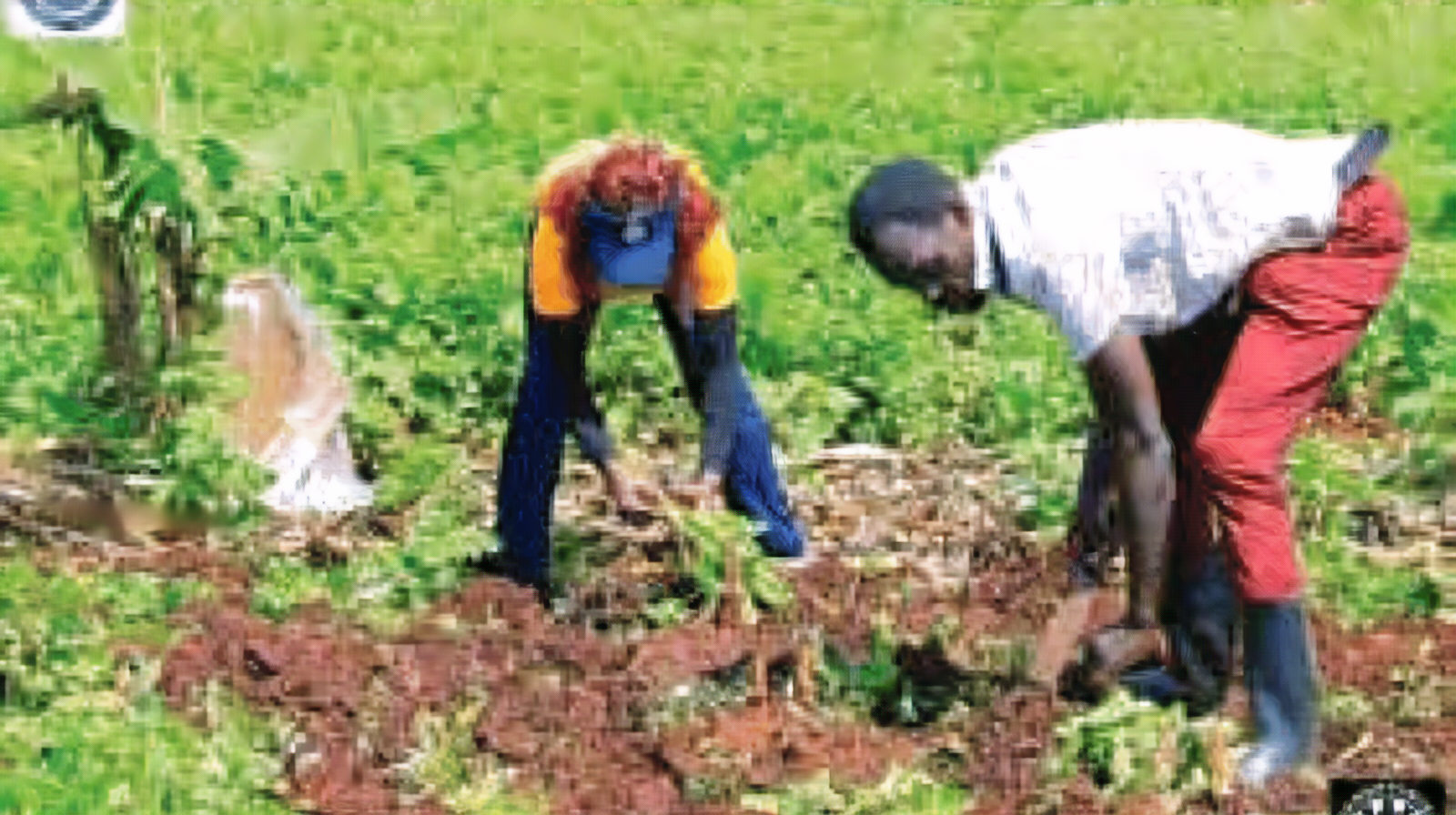
- At Kabete, more than 3,000 indigenous trees have already been planted alongside maize crops to maximise land use and prevent soil erosion. An additional 2,000 trees are planned for the site.
- At Kirigiti Girls Rehabilitation Centre in Kiambu, 300 trees and vegetables such as sukuma were planted in August. Fruit trees such as mango and avocado complement the mix.
- At Dagoretti Girls Rehabilitation School, 4,000 trees will be planted in October to align with the rains, alongside vegetables including spinach, managu and fruit varieties including pawpaw and passion fruit.
Growing Momentum
The launch is only the beginning. SI Nairobi Central is already preparing large-scale community planting events, media campaigns, and training workshops to sustain momentum. Future milestones will be tied to Kenya’s rainy seasons, ensuring higher survival rates for seedlings.
As the project expands from Nairobi to other regions, its leaders hope that ‘Greening Our Horizons’ will inspire more communities to take ownership of their landscapes — and their futures.









